Hip pain is not always from the hip joint. Pain in the groin usually is, but pain on the outside of the hip often comes from an inflamed bursa or tendon, and pain in the buttock often comes from the sacroiliac (SI) joint or the lower back. Finding the real source is the key to treating it.
ReclaimAbility Pain Services provides hip pain treatment in South Jersey, including image-guided hip joint, bursa and SI joint injections and nerve blocks for chronic pelvic pain, through a physician-led, non-surgical practice.
Written and medically reviewed by the ReclaimAbility Pain Services clinical team · Last updated November 2026

The hip is a ball-and-socket joint deep in the groin, surrounded by strong muscles, tendons and bursae, the small fluid-filled sacs that cushion them. Behind it, the SI joints connect the spine to the pelvis, and the pelvis also holds organs and nerves that can cause pain of their own. Overuse, sport, arthritis, injury and changes with age can all lead to pain in this area.
Hip bursitis, most often over the bony point on the outside of the hip, is especially common in women and in middle-aged and older adults. The conditions we diagnose and treat most often are:
Groin pain and stiffness from joint wear.
One-sided pain low in the back and buttock.
Buttock pain that travels down the leg.
Pain below the belly button lasting six months or more.
Joint inflammation such as rheumatoid arthritis.
Tight, tender muscles around the hip and pelvis.

If pain limits walking or sleep after a few weeks, it is time to be evaluated.
Seek emergency care for:
These can be signs of a fracture, infection, a gynecological emergency or nerve compression.
Your physician tests hip motion and strength, presses on the outer hip and SI joints, and checks your back and nerves.
X-rays show arthritis; MRI or ultrasound shows tendons, bursae and soft tissue. We order imaging when it would change your treatment.
Numbing medicine placed in the hip joint or SI joint under image guidance confirms which structure is causing your pain.
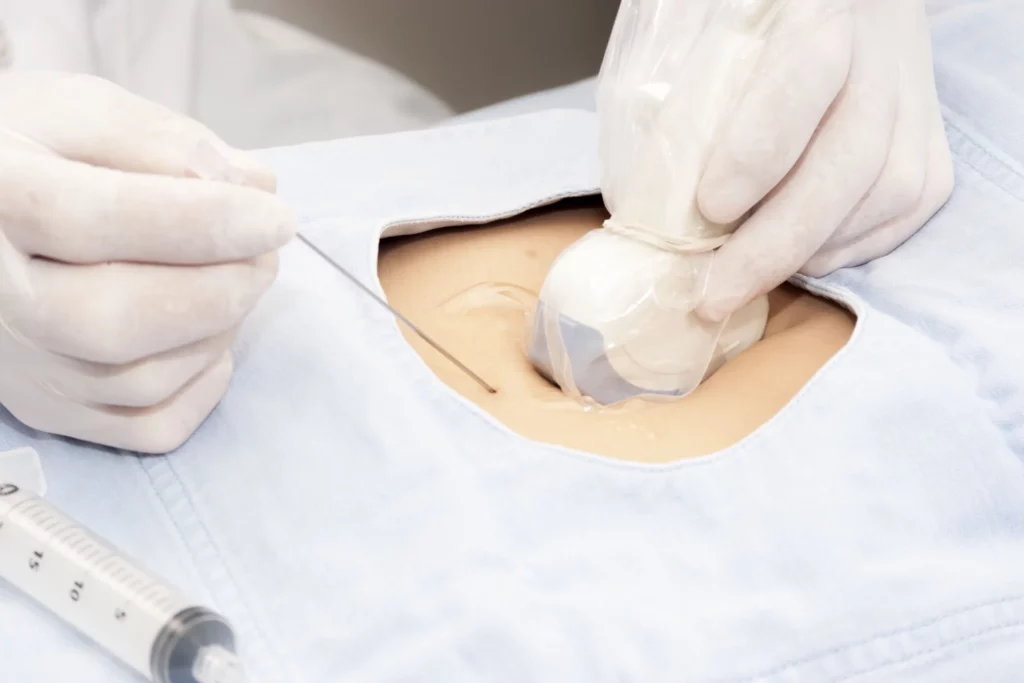
Physical therapy, activity changes and anti-inflammatory medicine help most people. When pain continues, these image-guided options can help:
Ultrasound- or X-ray-guided steroid injections into the joint or bursa.
Diagnoses and relieves sacroiliac joint pain.
Longer relief when SI joint injections help but wear off.
For pain from the pelvic organs.
For tailbone, rectal and perineal pain.
For advanced hip arthritis, hip replacement is often very effective. ReclaimAbility does not perform surgery, so we refer you to an orthopedic surgeon when that is the right step, and work with your gynecologist or urologist on pelvic pain.
A ReclaimAbility physician will examine your hip, back and pelvis and explain which options fit your situation.
Book an evaluation if:
Read what to expect at your first appointment. Some insurance plans require a referral, so it is worth checking with yours.
Four South Jersey offices. Most major insurance plans, auto accident (PIP) and workers’ compensation accepted.
Your evaluation and procedures are performed by our physicians, who see patients at all four offices. Same physicians, same approach, whichever office is closest to you.
15000 Midlantic Drive, Suite 102
807 N Haddon Avenue, Suite 1
1801 New Road
329 Greentree Road, Sewell
Open Monday to Friday, 8:00 a.m. to 4:30 p.m. We accept most major insurance plans, plus auto accident (PIP) and workers’ compensation. See accepted insurance or meet the full team.
Pain from the back is usually felt in the buttock and may travel down the leg, often with back pain. Pain from the hip joint is usually felt in the groin.
Inflammation of a fluid-filled sac on the outside of the hip that causes pain when lying on that side, climbing stairs or getting up from a chair.
Relief from a steroid injection in the hip joint or bursa often lasts weeks to months, and works best combined with physical therapy.
Yes. Nerve blocks such as the superior hypogastric plexus block can diagnose and relieve pain from the pelvic organs, often alongside other care.
Not necessarily. Many people manage hip arthritis for years with therapy, weight management and injections. We refer to a surgeon when pain and function suggest it is time.
We accept most major insurance plans, plus auto accident (PIP) and workers’ compensation. Some plans require a referral.
Sources
This page is for general education and is not a substitute for a medical evaluation. If you have new or worsening symptoms, talk with a qualified clinician.
A ReclaimAbility pain specialist can look for the source of your pain and talk you through your options. New-patient appointments are available at all four South Jersey offices. Learn more about all the conditions we treat.