Home › Conditions › Postconcussive Syndrome
Post-concussion syndrome (postconcussive syndrome) is a group of symptoms, most often headaches, dizziness and brain fog, that continue after a concussion. It affects children and adults, and can follow even a mild head injury.
Most concussion symptoms settle within the first couple of weeks. When they last longer, and especially when headaches persist for months, a structured treatment plan can make a real difference.
Written and medically reviewed by the ReclaimAbility Pain Services clinical team · Last updated November 2026

A concussion is a mild traumatic brain injury caused by a blow or jolt to the head or body. Most people recover over days to weeks. In some, symptoms persist, and when they last beyond about three months they are described as persistent post-concussive symptoms.
Headaches after a head injury usually start soon after the event. Most resolve within the first two weeks, but some persist for months. The neck is often injured at the same time, which can add to headaches; see whiplash.
Call 911 or go to an emergency department after a head injury if you have:
Diagnosis is based on the history of a head injury and the pattern of symptoms that follow. A physical and neurological exam checks balance, eye movements, the neck and headache features. Imaging such as an MRI may be used when symptoms persist beyond a month or warning signs appear. Your physician also works out which headache pattern your symptoms most resemble, because that guides treatment.
Gradual return to activity, sleep and screen breaks
Vestibular, neck and vision therapy
Medicine matched to the headache type
Occipital nerve block and other procedures
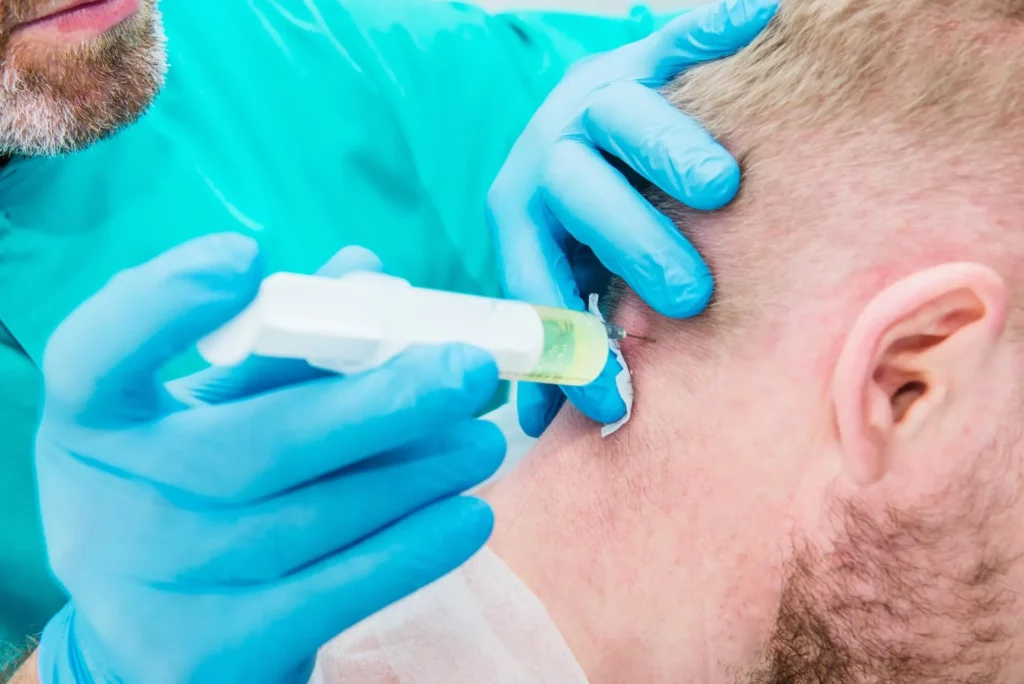
Headaches are treated according to the type they most resemble. Many respond to an occipital nerve block, especially when pain starts at the base of the skull. Migraine-like headaches may be treated with preventive medication, and selected patients with chronic migraine features may benefit from Botox injections. Avoiding daily painkiller use helps prevent medication overuse headache.
Dizziness, balance and neck problems respond to vestibular and neck physical therapy. We coordinate with neurologists and therapists for symptoms beyond pain.
After a car accident in New Jersey, treatment is usually covered first by personal injury protection (PIP). ReclaimAbility accepts PIP and workers’ compensation cases.
A ReclaimAbility physician can examine you, review any scans you already have and explain your choices in plain terms.
Book an evaluation if:
At your first visit a physician takes a full history, examines you, reviews any imaging and talks through a plan with you. Here is what to expect at your first appointment. Some insurance plans require a referral, so it is worth checking with yours before you book.
Four South Jersey offices. Most major insurance plans, auto accident (PIP) and workers’ compensation accepted.
Our physicians treat headaches and neck pain after concussion, including occipital nerve blocks, and coordinate with neurologists and therapists, at all four South Jersey offices. Learn more about headache and facial pain treatment in South Jersey.
15000 Midlantic Drive, Suite 102
807 N Haddon Avenue, Suite 1
1801 New Road
329 Greentree Road, Sewell
Open Monday to Friday, 8:00 a.m. to 4:30 p.m. We accept most major insurance plans, plus auto accident (PIP) and workers’ compensation. See accepted insurance or meet the full team.
Most concussion symptoms resolve within a few weeks. Some people have symptoms for months, and a smaller number longer.
Yes. Even a mild head injury can lead to headaches that persist for months.
Brief rest in the first day or two is reasonable, but a gradual return to normal activity usually helps recovery more than prolonged rest.
Yes. The neck is often injured along with the head, and neck problems can cause or add to headaches.
Not usually right away. Imaging is considered if symptoms persist beyond about a month or if warning signs appear.
Sources
This page is for general education and is not a substitute for a medical evaluation. If you have new or worsening symptoms, talk with a qualified clinician.
A ReclaimAbility pain specialist can look for the source of your pain and talk you through your options. New-patient appointments are available at all four South Jersey offices. Learn more about headache and facial pain treatment in South Jersey.