Home › Conditions › Myofascial Pain
Myofascial pain is pain in the muscles and the connective tissue (fascia) around them. It is usually regional, affecting a specific area or muscle group such as the neck, shoulders or low back, and is linked to tight, tender knots called trigger points.
Pressing on a trigger point often reproduces the pain, sometimes in a nearby area. There is no blood test or scan for it, but a careful exam can identify it, and it responds well to a combined treatment approach.
Written and medically reviewed by the ReclaimAbility Pain Services clinical team · Last updated November 2026

A trigger point is a palpable, tense band of muscle fibers that is tender to touch. Active trigger points cause pain on their own; latent ones only hurt when pressed. Trigger points can refer pain in predictable patterns, so a knot in the upper back may cause pain in the neck or head.
Unlike fibromyalgia, which causes widespread pain, myofascial pain is usually limited to one region. The two can occur together.
Myofascial pain is not fully understood. In many cases it accompanies another problem, such as arthritis or a disc problem, and treating that underlying disorder is part of the plan.
There is no blood test or imaging that diagnoses myofascial pain syndrome. The diagnosis comes from a thorough history and a hands-on exam to find trigger points and the pain patterns they produce. Tests may be used to rule out joint, nerve or other problems with similar symptoms.
The best treatment combines several approaches. Opioids are generally not effective for myofascial pain.
Heat, stretching, posture changes and regular movement
Physical therapy, massage and strengthening
Trigger point injections to release tight bands
Sleep, stress management and treating underlying causes
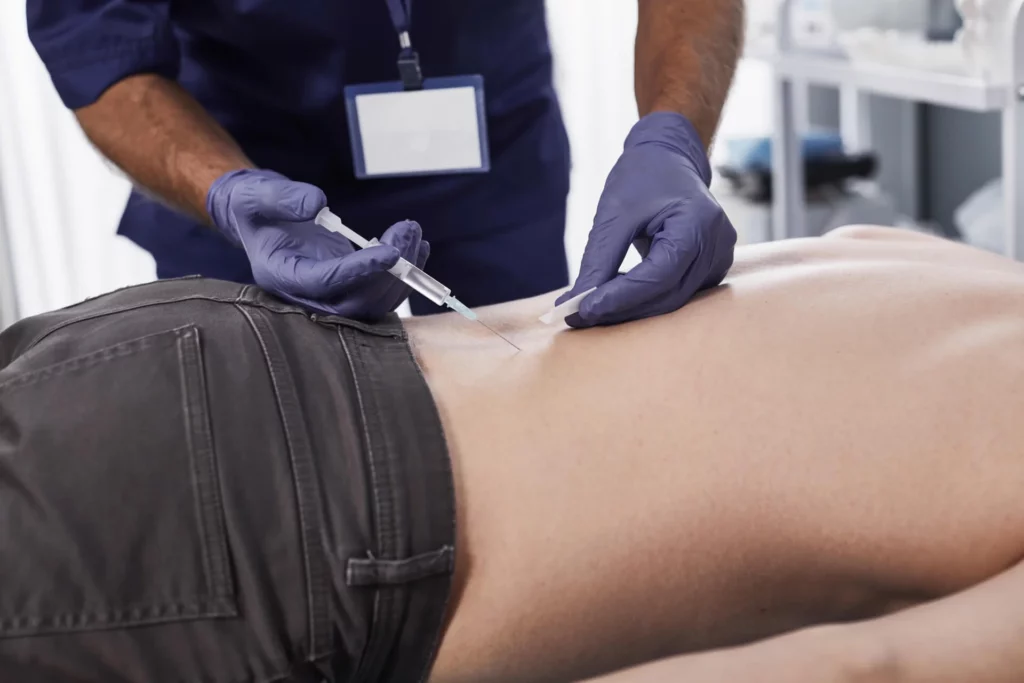
Trigger point injections place a small amount of local anesthetic, sometimes with a steroid, directly into the knot. They often ease pain quickly and allow stretching and therapy to work better. They can be repeated if they help.
Physical therapy focuses on stretching, strengthening, posture and ergonomics to stop trigger points coming back.
A ReclaimAbility physician can examine you, review any scans you already have and explain your choices in plain terms.
Book an evaluation if:
At your first visit a physician takes a full history, examines you, reviews any imaging and talks through a plan with you. Here is what to expect at your first appointment. Some insurance plans require a referral, so it is worth checking with yours before you book.
Four South Jersey offices. Most major insurance plans, auto accident (PIP) and workers’ compensation accepted.
Our physicians diagnose myofascial pain with a hands-on exam and treat it with trigger point injections and coordinated therapy, at all four South Jersey offices. Learn more about regional and widespread pain treatment in South Jersey.
15000 Midlantic Drive, Suite 102
807 N Haddon Avenue, Suite 1
1801 New Road
329 Greentree Road, Sewell
Open Monday to Friday, 8:00 a.m. to 4:30 p.m. We accept most major insurance plans, plus auto accident (PIP) and workers’ compensation. See accepted insurance or meet the full team.
Myofascial pain is usually regional and linked to specific trigger points. Fibromyalgia causes widespread pain throughout the body along with fatigue and sleep problems. They can occur together.
You may feel a brief pinch and a muscle twitch. Soreness for a day or two afterward is common.
Relief varies from days to weeks or longer, and combining injections with stretching and therapy helps it last.
Stress can increase muscle tension and make trigger points more active. Managing stress and sleep is part of treatment.
Heat usually helps relax tight muscles. Ice can help after a flare or new strain. Use whichever eases your pain.
Sources
This page is for general education and is not a substitute for a medical evaluation. If you have new or worsening symptoms, talk with a qualified clinician.
A ReclaimAbility pain specialist can look for the source of your pain and talk you through your options. New-patient appointments are available at all four South Jersey offices. Learn more about regional and widespread pain treatment in South Jersey.